
Introduction
Access to clean and safe drinking water has become more important than ever in today’s world. Contaminants in tap water such as chlorine, sediments, bacteria, heavy metals, and other harmful chemicals can significantly impact our health. While point-of-use water filters are helpful for drinking water, they often fail to protect your entire household. This is where a whole house water purifier comes into play, offering comprehensive water filtration for every tap in your home.
What Is a Whole House Water Purifier?
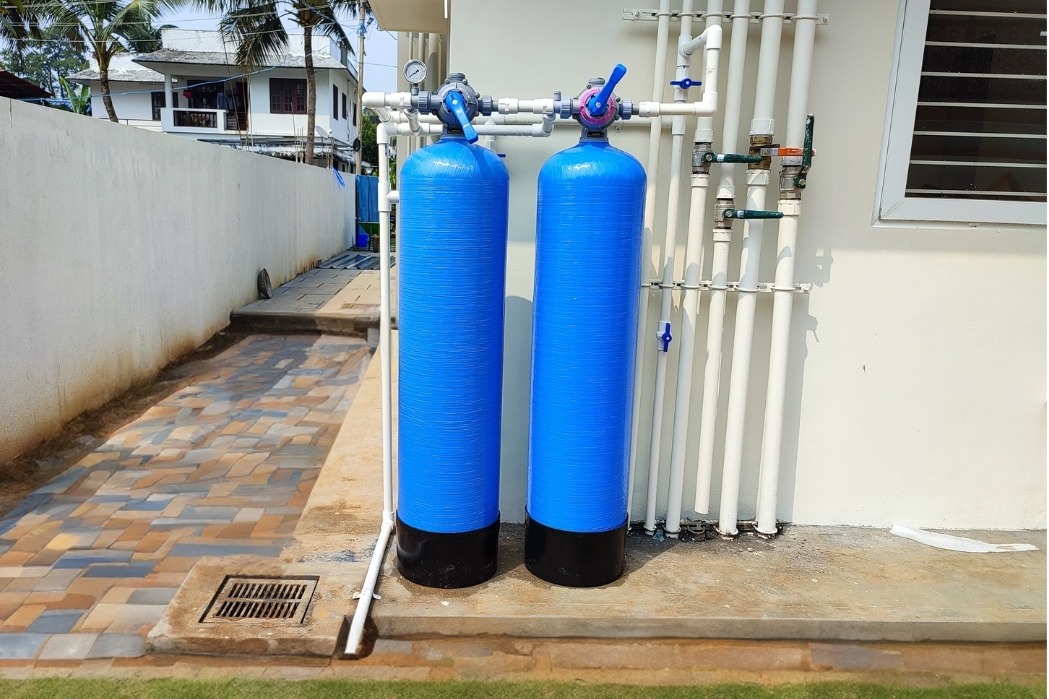
A whole house water purifier is a filtration system installed at the main water supply line of a house. It ensures that every drop of water entering your home—whether from taps, showers, or appliances—is purified. Unlike smaller under-sink or countertop water filters, a whole house system provides a complete solution for clean water, protecting your family from harmful contaminants while also preventing damage to plumbing and appliances caused by hard water or sediment.
Components of a Whole House Water Purifier
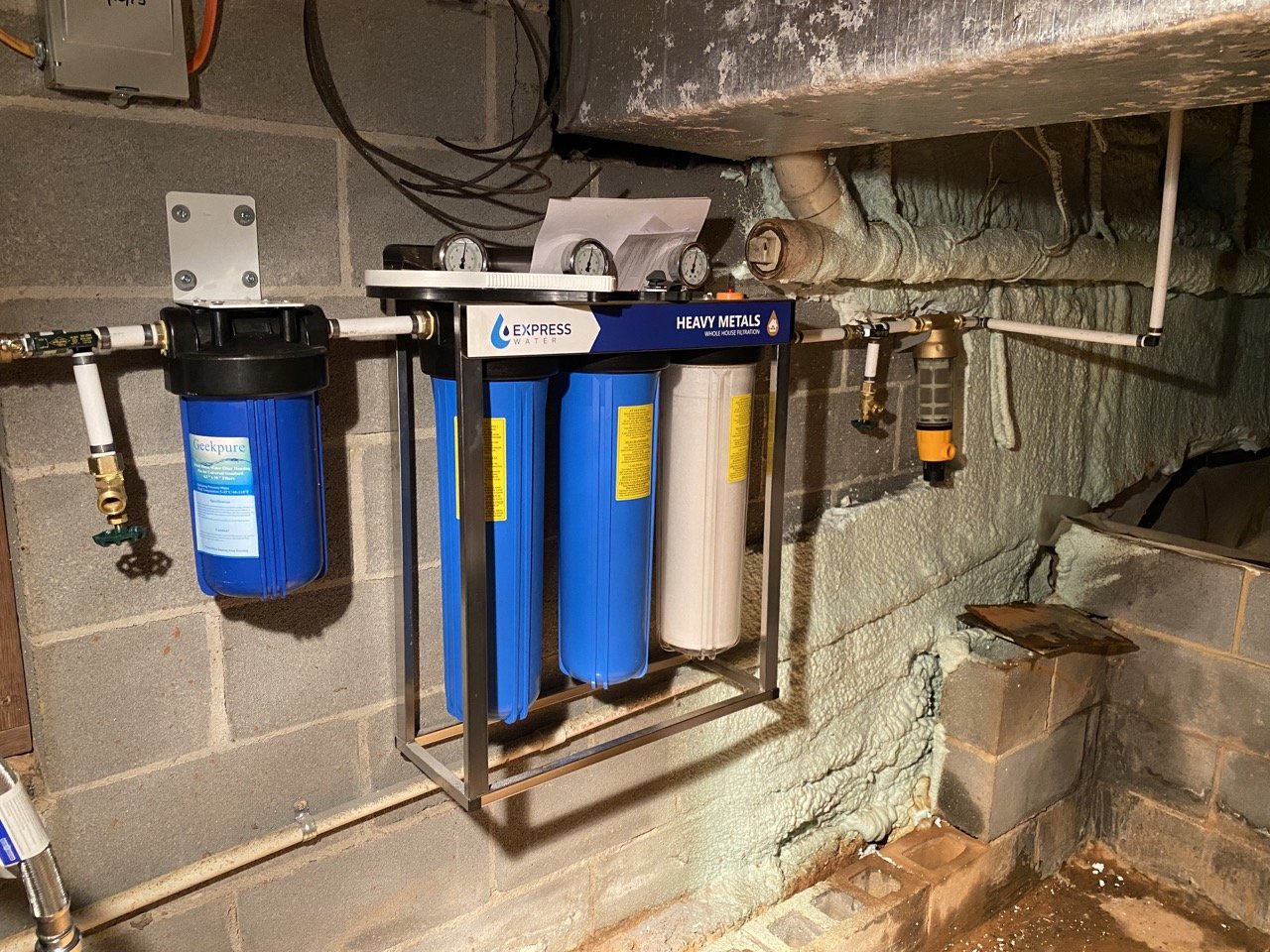
Most whole house water purifiers consist of several key components:
- Sediment Filter: Removes sand, dirt, rust, and other physical particles from water.
- Activated Carbon Filter: Eliminates chlorine, pesticides, and volatile organic compounds (VOCs), improving taste and odor.
- Water Softener (Optional): Reduces hardness caused by calcium and magnesium.
- UV Purifier (Optional): Kills bacteria, viruses, and other microorganisms without adding chemicals.
- Reverse Osmosis (Optional for Drinking Water): Provides advanced filtration for heavy metals, nitrates, and other microscopic contaminants.
These components work together to ensure that water flowing through your taps is safe for drinking, cooking, bathing, and washing.
Benefits of Installing a Whole House Water Purifier
Installing a whole house water purifier offers numerous benefits:
Healthier Water for Your Family
A high-quality whole house water purifier removes bacteria, viruses, chlorine, and harmful chemicals, ensuring safe water for drinking and cooking. Unlike single-tap filters, it protects everyone in the household.
Better Taste and Smell
Chlorine and other chemicals in tap water often cause unpleasant taste and odor. A whole house water purifier ensures that water tastes fresh and clean from every faucet.
Protection for Appliances
Sediments and hard water can damage water-using appliances like washing machines, dishwashers, and water heaters. Filtration reduces scale buildup, extending the life of these appliances.
Cost-Effective in the Long Run
Though the initial investment may seem high, a whole house water purifier saves money over time by reducing the need for bottled water, minimizing appliance maintenance, and lowering plumbing repair costs due to sediment or scale.
Comprehensive Coverage
Unlike single-point filters, a whole house water purifier treats all water entering your home, including water used in showers and baths. This is particularly beneficial for families with children or individuals with sensitive skin.
Types of Whole House Water Purifiers
When choosing a whole house water purifier, it’s important to consider the type of filtration technology that suits your needs.
Sediment Filters
These filters are the first stage of any whole house water purification system. They remove sand, dirt, rust, and other large particles from water, preventing damage to pipes and other filtration components.
Activated Carbon Filters
Carbon filters are highly effective at removing chlorine, VOCs, and unpleasant odors. They improve the taste and quality of water throughout the house.
Water Softeners
For homes with hard water, a water softener component in a whole house water purifier reduces calcium and magnesium levels, preventing scale buildup in appliances and on fixtures.
UV Filtration
Ultraviolet purification uses UV light to kill bacteria, viruses, and other pathogens without chemicals. It is an excellent addition to homes concerned with microbial contamination.
Reverse Osmosis Systems
While RO systems are usually used for drinking water, some advanced whole house water purifiers incorporate RO technology to remove heavy metals, nitrates, and other dissolved contaminants for complete purification.
How to Choose the Right Whole House Water Purifier
Choosing the best whole house water purifier requires careful consideration of several factors:
Water Quality in Your Area
Testing your water for hardness, pH, sediment, bacteria, and chemical contamination is the first step. This helps determine which filtration technologies you need.
Household Water Usage
A larger household may require a system with higher flow rates and larger filter capacities. Ensure the purifier you choose can meet your daily water consumption.
Maintenance Requirements
Consider how often filters need replacement and whether the system requires professional maintenance. Some purifiers have long-lasting filters, while others need frequent attention.
Budget
Whole house water purifiers vary in price, from affordable basic systems to high-end multi-stage units. Choose a system that fits your budget while meeting your purification needs.
Certification and Warranty
Look for purifiers certified by organizations like NSF or WQA. Check warranties and service options to ensure peace of mind.
Installation of a Whole House Water Purifier
Installing a whole house water purifier typically requires professional assistance to ensure proper setup. Here’s a general overview of the installation process:
- Location Selection: The system is installed at the main water supply line, usually near where water enters your home.
- Pipe Connection: The main inlet pipe is connected to the purifier, ensuring all water passes through the filtration system.
- Filter Installation: Sediment, carbon, UV, or RO filters are installed according to the system design.
- Testing and Adjustment: The system is tested for leaks, flow rate, and proper operation.
Professional installation ensures maximum efficiency and prevents issues like leaks or low water pressure.

Maintenance of Whole House Water Purifiers
Proper maintenance is crucial for a whole house water purifier to function effectively:
- Filter Replacement: Sediment and carbon filters need regular replacement, typically every 6–12 months.
- UV Lamp Replacement: UV lamps should be replaced annually to maintain disinfection efficiency.
- System Sanitization: Periodically sanitizing the system prevents bacterial growth inside the purifier.
- Water Quality Testing: Annual testing ensures the system continues to remove contaminants effectively.
Neglecting maintenance can reduce filtration efficiency and compromise water quality.
Common Myths About Whole House Water Purifiers
Myth 1: Point-of-Use Filters Are Enough
While under-sink filters are useful for drinking water, they do not protect showers, laundry, or dishwashers from contaminants or hard water. A whole house water purifier provides complete protection.
Myth 2: All Systems Are the Same
Not all purifiers offer the same level of protection. Advanced systems include multi-stage filtration, UV sterilization, and water softening, which are absent in basic units.
Myth 3: Installation Is Too Complicated
Though installation requires some plumbing knowledge, professional services make the process seamless, and many systems come with detailed manuals for guidance.

Cost of Whole House Water Purifiers
The cost of a whole house water purifier varies based on brand, technology, and capacity. Basic sediment and carbon systems may cost between $500–$1,500, while advanced multi-stage systems with UV and RO can range from $2,000–$5,000. Maintenance costs, such as filter replacements, typically add $100–$300 per year. Considering long-term benefits like appliance longevity and health, these costs are justified.
Whole House Water Purifier vs. Point-of-Use Filters
| Feature | Whole House Water Purifier | Point-of-Use Filter |
|---|---|---|
| Coverage | Entire home | Single tap |
| Contaminant Removal | Sediments, chlorine, microbes, heavy metals | Limited to specific contaminants |
| Appliance Protection | Yes | No |
| Maintenance | Moderate | Low |
| Cost | Higher upfront | Lower upfront |
The table clearly shows why investing in a whole house water purifier is a smarter choice for comprehensive water safety.
Conclusion
A whole house water purifier is an essential investment for households seeking clean, safe, and great-tasting water from every tap. By removing sediments, chlorine, chemicals, and microorganisms, it safeguards your family’s health while protecting plumbing and appliances. With proper installation, maintenance, and careful selection of filtration technologies, a whole house water purifier ensures reliable water quality for years to come.
Whether you are dealing with hard water, bacterial contamination, or unpleasant taste and odor, a whole house water purifier offers an effective, convenient, and cost-efficient solution. Choosing the right system tailored to your household needs can significantly improve your quality of life, making every drop of water safe, healthy, and refreshing.
Read More:- Whole Home Water Purifier: Complete Guide for Clean Water