
Introduction
Water is the essence of life, but not all water is safe for consumption or use. With growing concerns about water contamination, investing in a whole home water purifier has become increasingly important for households. Unlike point-of-use filters, which purify water at a single outlet like your kitchen sink, a whole home water purifier ensures clean and safe water throughout your entire home. From drinking and cooking to bathing and laundry, every tap delivers purified water, providing peace of mind for your family.
Why You Need a Whole Home Water Purifier
A whole home water purifier addresses multiple water quality issues at once. Municipal water may be treated, but it can still contain chlorine, sediments, heavy metals, or microorganisms. Private wells, while natural, often carry bacteria, iron, or other contaminants. A whole home system filters water at the entry point, ensuring every tap dispenses safe water.
Some key benefits of a whole home water purifier include:
- Health Protection: Removes harmful bacteria, viruses, and chemicals, reducing the risk of waterborne illnesses.
- Better Taste and Smell: Eliminates chlorine, sulfur, and other odor-causing elements, improving water taste for drinking and cooking.
- Extended Appliance Life: Filters protect appliances like washing machines, dishwashers, and water heaters from scale buildup and sediment damage.
- Cleaner Clothes and Dishes: Reduces mineral deposits, ensuring brighter laundry and spotless dishes.
- Skin and Hair Care: Soft, filtered water prevents dryness and irritation caused by hard water minerals.
With these benefits, it’s clear why installing a whole home water purifier is a wise long-term investment.

Types of Whole Home Water Purifiers
Selecting the right whole home water purifier depends on your water quality, household size, and specific needs. Here are the main types:
1. Sediment Filters
Sediment filters are the first line of defense. They remove sand, rust, silt, and other suspended particles. While they don’t purify water chemically, they protect your plumbing and other filtration systems from clogging. Sediment filters are often used in combination with other purification methods.
2. Activated Carbon Filters
Activated carbon filters absorb chlorine, pesticides, herbicides, and volatile organic compounds (VOCs). They improve water taste and odor while removing harmful chemicals. Carbon filters are ideal for areas with treated municipal water that may contain chlorine or industrial pollutants.
3. Reverse Osmosis (RO) Systems
Reverse osmosis purifiers are highly effective, using a semipermeable membrane to remove dissolved salts, heavy metals, and microscopic contaminants. While RO systems provide the purest water, they may also remove beneficial minerals, so some systems include remineralization filters. RO systems are commonly combined with sediment and carbon filters for comprehensive purification.
4. UV Water Purifiers
Ultraviolet (UV) purifiers disinfect water by killing bacteria, viruses, and other pathogens. UV purification does not remove chemicals or sediments, so it is usually paired with other filtration methods to ensure total water safety.
5. Water Softeners
Hard water contains high levels of calcium and magnesium, which can cause scale buildup in pipes and appliances. Water softeners use ion-exchange technology to reduce hardness, protecting your plumbing and enhancing the effectiveness of soaps and detergents. While not a traditional purifier, a water softener is often integrated into a whole home water purification system.
How to Choose the Right Whole Home Water Purifier
Choosing the best whole home water purifier involves evaluating several factors:
- Water Quality: Conduct a water test to determine contaminants in your water supply. Knowing whether you need filtration for sediments, chemicals, or bacteria is crucial.
- Household Size: Larger homes with multiple bathrooms may require a system with higher capacity to ensure consistent water pressure.
- Maintenance Needs: Consider the ease and frequency of filter replacements. Some systems require professional servicing, while others allow DIY maintenance.
- Budget: Whole home water purifiers vary in cost. While upfront investment may be high, the long-term benefits, including appliance protection and health safety, outweigh initial costs.
- Space and Installation: Evaluate the space near your main water line for installation. Professional installation ensures optimal system performance and longevity.
Installation and Maintenance Tips
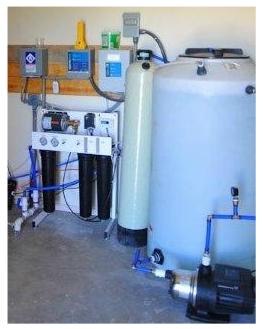
Proper installation and regular maintenance are vital for the performance of a whole home water purifier. Here are some guidelines:
- Professional Installation: While some systems are DIY-friendly, professional installation ensures correct connections and prevents leaks.
- Regular Filter Replacement: Check manufacturer recommendations for filter lifespan, typically ranging from 6 months to 3 years depending on the type and water quality.
- System Sanitization: Periodically disinfect the system to prevent bacterial growth, especially in RO and UV systems.
- Monitor Water Pressure: Ensure the system maintains proper pressure. Low pressure may indicate clogged filters.
- Annual Water Testing: Test water annually to ensure the system effectively removes contaminants.
Following these practices maximizes the lifespan of your whole home water purifier and ensures consistently safe water.
Common Misconceptions About Whole Home Water Purifiers
There are several misconceptions about whole home water purifiers that homeowners should be aware of:
“I only need a kitchen filter.” While point-of-use filters are useful, they do not protect appliances or ensure safe water for showers, laundry, or irrigation.
“Filtered water is always soft.” Not all filtration systems remove hardness. A separate water softener may be necessary for hard water areas.
“Installation is complicated and expensive.” Modern systems are designed for efficient installation, and long-term benefits outweigh initial costs.
“Maintenance is too frequent.” Many whole home water purifiers have long-lasting filters, some requiring replacement only once every 2–3 years.
Understanding these facts helps homeowners make informed decisions about investing in a whole home water purifier.

Cost of a Whole Home Water Purifier
The cost of a whole home water purifier varies widely based on type, capacity, and brand. Basic sediment and carbon systems may cost a few hundred dollars, while advanced RO or UV systems with water softening capabilities can range from $1,000 to $5,000 or more.
Other factors affecting cost include:
- Installation fees
- Replacement filters
- Annual maintenance
- Water testing
While the upfront investment can be significant, a whole home water purifier provides long-term savings by protecting plumbing, appliances, and family health.
Environmental Impact and Sustainability
Using a whole home water purifier can reduce reliance on bottled water, cutting down on plastic waste. Systems that are energy-efficient and use long-lasting filters minimize environmental impact. Additionally, high-quality purification reduces chemical runoff into the home, promoting a cleaner and safer water cycle.
Frequently Asked Questions (FAQs)
Q. Can a whole home water purifier remove fluoride?
Yes, certain RO and activated alumina-based systems can reduce fluoride levels effectively.
Q. How long does a whole home water purifier last?
With proper maintenance, systems can last 10–15 years. Filter replacement schedules vary based on type and usage.
Q. Is professional installation necessary?
While DIY options exist, professional installation ensures optimal performance, correct pressure, and leak-free connections.
Q. Can it improve water taste for showers and baths?
Yes, removing chlorine and sulfur improves water quality, leading to softer skin and hair.
Q. How do I know which system is right for my home?
Start with a comprehensive water test to identify contaminants and consult with a certified installer for the best solution.
Conclusion
Investing in a whole home water purifier is a proactive step toward ensuring clean, safe water throughout your home. By addressing multiple contaminants, improving taste, and protecting appliances, a high-quality system offers both health and economic benefits. From sediment and carbon filters to RO, UV, and water softening systems, choosing the right solution depends on your water quality, household size, and maintenance preferences.
A well-maintained whole home water purifier provides peace of mind, knowing every faucet delivers water that is safe, clean, and enjoyable. With the right system, you can safeguard your family’s health, enhance daily convenience, and contribute to a more sustainable environment.
Read More:- Water Purifier for Home: Ensuring Safe and Clean Drinking Water