
Introduction
home water purifier systems are very important for keeping people healthy because they make sure that people have access to clean, safe drinking water. As pollution, industrial contamination, and an unreliable municipal water supply grow, relying only on tap water can be very bad for your health. If you install an effective water filtration system in your house, you and your family will always have access to clean water that is free of hazardous substances. This article goes over everything you need to know about home water purification systems, such as the many varieties, their benefits, how to install them, and how to keep them clean.
How Home Water Purifier Systems Work
A home water purifier systems is made to get rid of pollutants, dangerous bacteria, viruses, and other things that might make water unsafe to consume. Modern water purifiers use cutting-edge technologies like reverse osmosis, UV purification, activated carbon filtration, and ultrafiltration to make sure the water is clean and safe to drink. This is different from older ways of filtering water. These systems not only make the water safer, but they also make it taste and smell better, which makes drinking water more desirable.
Because people are more worried about waterborne diseases and pollution, the need for water filtration has grown a lot. Lead, arsenic, pesticides, and microbiological pathogens are all examples of contaminants that can cause major health problems, from infections in the stomach to long-term damage to organs. Home water purifiers are a dependable way to get rid of or lower these hazardous compounds, making sure you always have access to clean water.
Different kinds of home water purifiers
Before you can pick the ideal home water purifier systems for your family, you need to know what kinds there are. Each system works differently and is best for certain types of water and household demands.
Systems for Reverse Osmosis (RO)
RO systems are some of the most popular home water purifiers since they can get rid of a lot of different kinds of pollutants. They use a semi-permeable membrane to get rid of dissolved salts, heavy metals, and other hazardous compounds. RO purifiers work very well in places where the water is hard or dirty. Many current RO systems also have UV or UF purification to defend against microbes even more.
Water purifiers that use ultraviolet (UV) light
The main job of UV water purifiers is to get rid of viruses, bacteria, and other germs in water. They use UV light to damage the DNA of bacteria, which makes them inert. UV purifiers don’t get rid of dissolved salts or pollutants, but they work great for homes with water that has bacteria in it. To improve the overall quality of the water, they are commonly used alongside RO or activated carbon filters.
Ultrafiltration (UF) Systems
UF systems use a hollow fiber membrane to get rid of germs, viruses, and sediments that are floating around. UF systems don’t need electricity and don’t remove dissolved minerals, thus they can be used in places where the water is safe but has bacteria in it. Many homes can adopt UF systems because they are good for the environment and don’t cost much.
Filters with activated carbon
Many home water purifier systems employ activated carbon filters to improve the taste and smell of water and get rid of chlorine and other organic contaminants. They are typically used with other techniques of cleaning water, such RO or UV, to make it even better. These filters are great for homes with city water that has been treated but may still have chemicals or chlorine in it.

The main benefits of home water purification systems
A good home water purifier systems does more than just give you clean water; it also has many other benefits.
Protecting health
The main benefit is that it protects health by getting rid of hazardous substances. Home water purifiers greatly lower the risk of getting cholera, typhoid, and diarrhea from drinking water. They also assist keep you from being around dangerous chemicals and heavy metals for a long time.
Better Smell and Taste
Water that has impurities in it can taste and smell bad. Modern water filters make sure that the water tastes fresh and doesn’t have any chemical or metallic flavor. This makes family members, especially kids, want to drink more water, which is good for their health and hydration.
Easy to Use and Cost-Effective
You don’t have to buy bottled water if you have a home water purifier. This saves you money and cuts down on plastic waste. It also makes it easy to get clean water any time of day or night, so you don’t have to rely on other sources.
Effect on the Environment
A home water filter system cuts down on the amount of plastic trash that comes from bottled water. Also, systems like UF and UV purifiers that work well use less water and electricity than other options, which helps people live in a more environmentally friendly way.
Things to think about when picking a home water purification system
You need to think about a lot of things before choosing the best home water purification system:
Quality of Water
It’s really important to know what the quality of your home’s water is. Testing the water helps find pollutants, hardness, and microbes, which helps figure out what kind of purification system is needed. RO systems work well for water that is hard or has a lot of contaminants. UV or UF systems work well for water that has only a little bit of microbial contamination.
Storage and Capacity
When choose a purifier, think about how much water you drink every day. Systems have different amounts of storage space, from tiny units for small families to larger units for families who use a lot of water. A purifier with enough capacity makes sure that you can always get clean water.
Changing the filter and doing maintenance
To work well, all home water purifier systems need to be serviced and have their filters changed on a regular basis. For instance, RO systems need new membranes every 2–3 years, and UV lamps need new ones every year. For long-term use, it’s important to choose a system with filters that are easy to maintain and cheap.
Brand Reputation and Certification
Always choose home water purifiers that have been verified by well-known organizations as meeting safety and quality criteria. Reputable firms make sure that their products are reliable, that they work well, and that they offer after-sales support.
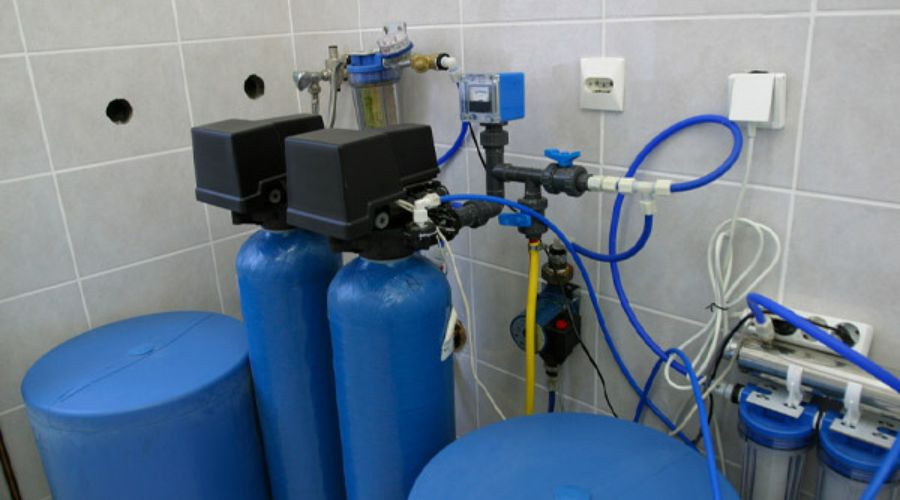
Installing Home Water Purifier Systems
To make sure that a home water purification system works, it is important to install it correctly. Most current purifiers come with easy-to-follow instructions for installation and don’t need much help from an expert. Connecting the system to the water source, making sure that RO systems drain properly, and making sure that UV and RO purifiers have power are all important procedures. Some systems may be placed on walls, while others can fit on kitchen counters. This gives you options dependent on your space and needs.
How to Take Care of Your Home Water Purifier System
Taking care of your home water purifier systems makes sure it keeps giving you clean, safe water. Checking and changing filters on a regular basis, cleaning storage tanks, and keeping an eye on water pressure are all important things to do. Professional maintenance every so often helps keep the membranes and lamps in RO and UV systems working well. Regular maintenance makes the system last longer and makes sure it works at its best.
Things People Get Wrong About Home Water Purifier Systems
There are a lot of wrong ideas about home water purifier systems that can affect how people decide to buy them. A widespread myth is that all water filters get rid of all kinds of pollutants. Advanced RO systems get rid of most contaminants, although UV and UF purifiers are better at getting rid of microbes. However, they don’t get rid of dissolved salts. Another false idea is that systems that cost a lot are necessarily superior. The best system for you relies on the quality of your water and the needs of your home, not just the price.
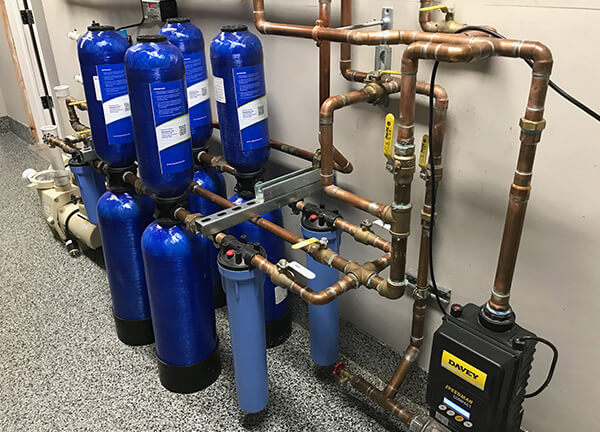
New technologies in home water purification systems
Modern home water purifier systems have changed a lot over the years. They now incorporate smart technology to make the user experience better. Some systems now have Wi-Fi access, real-time water quality monitoring, and alerts for when filters need to be changed. This lets customers keep an eye on how well the system is working from afar. These improvements make it easier, more reliable, and more effective to clean water.
Things to think about in terms of money
The initial expense of putting up a household water purification system may seem high, but it is a long-term investment in health and ease of use. It’s easier to make a smart choice when you compare different systems based on how well they clean, how much they cost to keep up, and how long they last. The expenditure is even more justified by the savings from drinking less bottled water and spending less on health care.
Conclusion
A home water purifier systems is a must-have in today’s homes since it makes sure you get safe, clean, and great-tasting water. Homeowners can choose from a variety of systems, like as RO, UV, UF, and activated carbon, to choose the one that best meets their water quality and usage needs. These systems are good for your health, but they also save you money, are easy to use, and help the environment. To get the most out of home water purification systems, you need to install them correctly, keep them up to date, and make an informed choice. Buying a good water purifier gives you piece of mind since you know your family will always have access to the best drinking water.
Read More:- Whole House Water Purifier: The Ultimate Guide for Your Home