
Introduction
Clean drinking water is one of the most essential needs for every household. With growing pollution, contaminated water sources, and rising health concerns, having a reliable house water purifier system has become not just a luxury, but a necessity. A water purifier ensures that the water you consume is free from harmful contaminants, bacteria, and impurities. In this article, we will explore the various aspects of a house water purifier system, including its types, benefits, working mechanisms, and maintenance tips.
Understanding the Need for a House Water Purifier System
Water is life, but not all water is safe for consumption. In many urban and rural areas, water sources are contaminated with microorganisms, chemicals, and heavy metals. Even if water appears clear, it may contain invisible toxins that can affect your health over time. A house water purifier system acts as a barrier against these pollutants, providing clean and safe drinking water for you and your family.
The importance of a water purifier goes beyond taste and odor. While some water may smell or taste unpleasant due to chlorine or minerals, contaminants like lead, arsenic, and bacteria can pose serious health risks. Installing a house water purifier system ensures that your water is purified at multiple levels, giving you peace of mind regarding the health of your family.

Types of House Water Purifier Systems
Modern technology has brought several types of house water purifier systems, each designed to target specific contaminants. Understanding these types can help you make an informed choice based on your water source and requirements.
Reverse Osmosis (RO) Systems
Reverse Osmosis, or RO, is one of the most popular technologies for a house water purifier system. RO systems use a semipermeable membrane to remove impurities like dissolved salts, heavy metals, and harmful chemicals from water. This system is particularly effective for areas with hard water or high total dissolved solids (TDS).
An RO system typically consists of multiple stages, including sediment filtration, activated carbon filters, and the RO membrane. Some advanced models also include UV filtration to kill bacteria and viruses. The result is water that is not only safe but also tastes fresh.
Ultraviolet (UV) Water Purifiers
UV purifiers use ultraviolet light to disinfect water by killing bacteria, viruses, and other pathogens. Unlike RO systems, UV purifiers do not remove dissolved salts or minerals but are highly effective against microbial contamination.
A UV house water purifier system is ideal for areas with biologically contaminated water, such as wells or municipal water sources that may contain harmful microorganisms. Many households combine UV with RO to achieve both purification and mineral retention.
Ultrafiltration (UF) Systems
Ultrafiltration is another technology used in house water purifier systems, often recommended for water with low TDS. UF systems use a membrane to remove bacteria, viruses, and suspended solids but do not remove dissolved salts.
UF systems do not require electricity, making them energy-efficient and suitable for regions with power constraints. They are often combined with activated carbon filters to improve water taste and odor.
Activated Carbon Filters
Activated carbon filters are commonly included in house water purifier systems to remove chlorine, bad taste, odor, and certain chemicals. While they are not sufficient to remove heavy metals or microorganisms alone, they are essential in improving water quality and flavor.
Some purifiers use multi-stage filtration, combining activated carbon with RO, UV, or UF technology, providing comprehensive purification for household use.

Key Benefits of Installing a House Water Purifier System
Investing in a house water purifier system brings numerous advantages beyond clean drinking water. Understanding these benefits can highlight the importance of installing a reliable system in your home.
Protection Against Waterborne Diseases
A primary advantage of a house water purifier system is the prevention of waterborne diseases. Contaminated water is a common cause of infections, including diarrhea, cholera, and typhoid. With proper filtration, these risks are significantly reduced.
Improved Taste and Odor
Water may contain chlorine or other chemicals that affect its taste and smell. A house water purifier system ensures that the water is not only safe but also tastes pleasant, encouraging proper hydration for all family members.
Removes Harmful Contaminants
From heavy metals like lead and arsenic to industrial chemicals and pesticides, modern water sources may contain harmful substances. A high-quality water purifier system effectively eliminates these contaminants, safeguarding your health.
Convenience and Accessibility
With a house water purifier system, safe drinking water is readily available at home. You no longer need to rely on bottled water or boil water for safety, saving time and effort in daily routines.
Cost-Effective in the Long Run
While the initial investment in a house water purifier system may seem significant, it is cost-effective over time. It reduces the need to buy bottled water, minimizes medical expenses from waterborne diseases, and ensures long-term health benefits.
How a House Water Purifier System Works
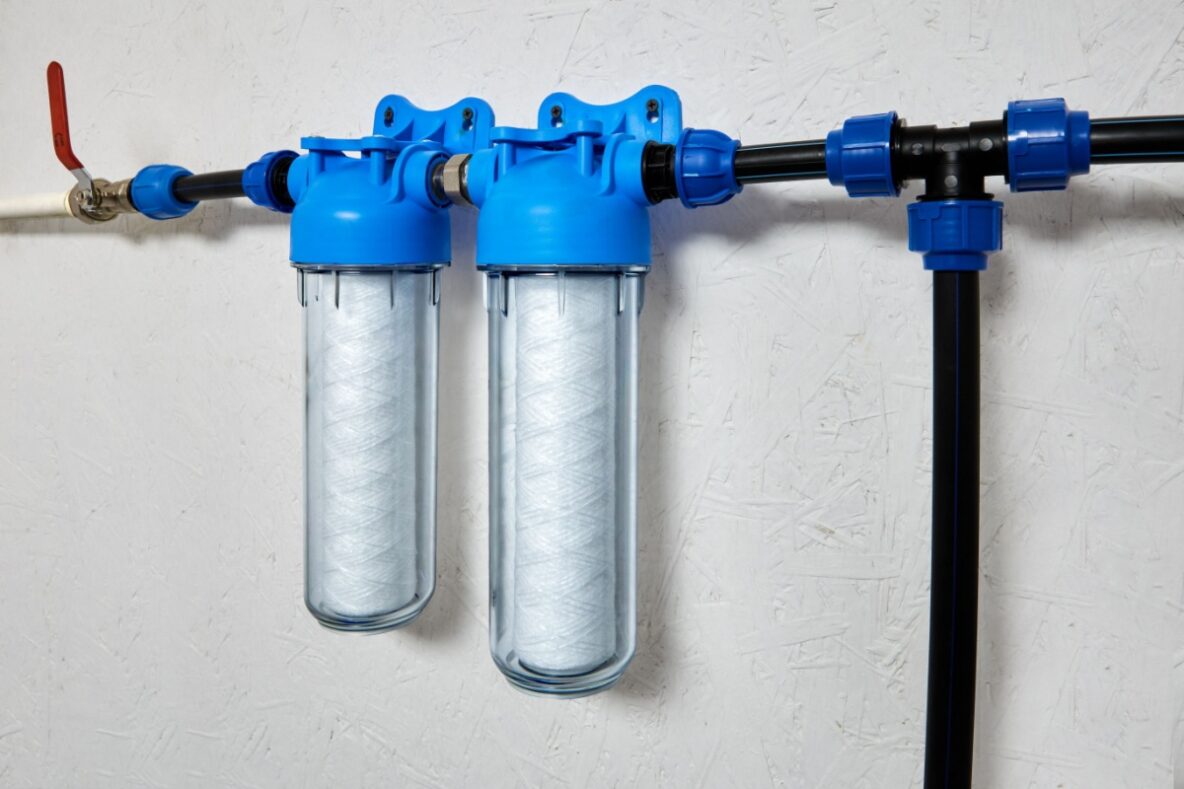
The working of a house water purifier system depends on the technology used, but most purifiers follow a multi-stage process to ensure complete purification.
Sediment Filtration
The first stage in most purifiers involves removing large particles, sand, rust, and silt. This prevents clogging in subsequent stages and ensures smooth functioning of the system.
Activated Carbon Filtration
Next, the water passes through activated carbon filters that remove chlorine, organic impurities, and bad odor. This stage also enhances the taste of the water.
Reverse Osmosis (RO) or Ultrafiltration (UF)
Depending on the system, water then passes through RO or UF membranes. RO removes dissolved salts, heavy metals, and harmful chemicals, while UF removes bacteria and suspended solids.
Ultraviolet (UV) Purification
Some advanced house water purifier systems include a UV stage where water is exposed to ultraviolet light. This kills bacteria, viruses, and other pathogens, ensuring microbiologically safe water.
Mineral Enrichment
Certain RO systems may remove essential minerals along with contaminants. Some advanced purifiers include a post-mineral cartridge that restores beneficial minerals, ensuring the water is not only safe but also healthy.
Factors to Consider When Choosing a House Water Purifier System
Choosing the right house water purifier system requires careful consideration of several factors to meet your household needs effectively.
Water Quality and Source
The quality of your water source is the most important factor. If the water has high TDS, an RO system is ideal. For biologically contaminated water, a UV or UF system may suffice. Testing your water before purchasing a purifier is highly recommended.
Capacity
Consider the number of people in your household and daily water consumption. Purifiers come in different capacities, ranging from 6 liters to 20 liters per day. Choose one that comfortably meets your daily requirements.
Maintenance and Service
Regular maintenance is crucial for a house water purifier system. Check for availability of service centers, ease of filter replacement, and long-term warranty options before buying a system.
Electricity Consumption
RO and UV purifiers require electricity to operate, while UF systems do not. Consider your electricity availability and costs when selecting a purifier for your home.
Brand and Certifications
Opt for reputable brands and systems certified by organizations like NSF, WQA, or ISI. Certifications ensure that the purifier meets safety and efficiency standards.
Maintenance Tips for a House Water Purifier System
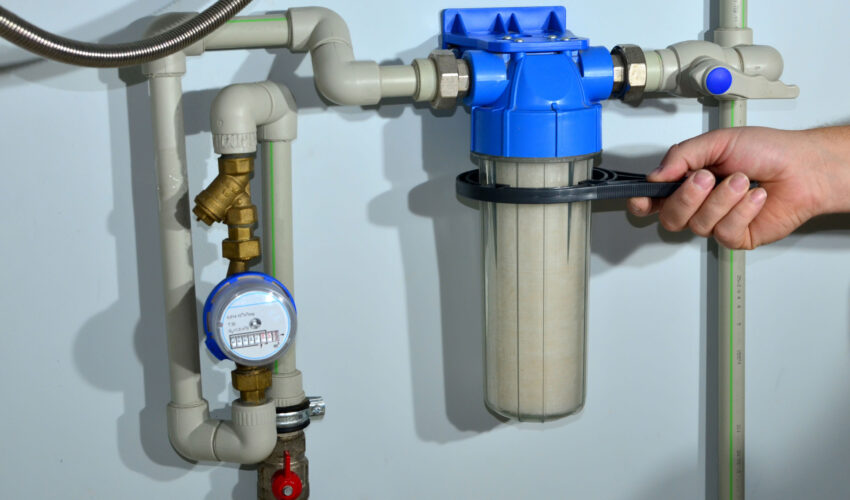
Proper maintenance ensures the longevity and effectiveness of your house water purifier system. Neglecting maintenance can lead to reduced efficiency and contamination risks.
- Regular Filter Replacement: Replace filters according to manufacturer recommendations. Sediment, carbon, and RO membranes have specific lifespans.
- Clean the Storage Tank: Periodically clean the water storage tank to prevent algae and bacterial growth.
- Check Water Pressure: Ensure proper water pressure for RO systems, as low pressure can reduce purification efficiency.
- Professional Servicing: Schedule annual professional servicing to inspect internal components and ensure optimal functioning.
- Monitor Water Quality: Keep track of water taste, odor, and TDS levels to detect any issues early.
Common Myths About House Water Purifier Systems
Despite widespread use, several myths surround house water purifier systems. Understanding the truth can help make informed decisions.
Myth 1: All Purifiers Remove Every Contaminant
Not all purifiers remove all contaminants. RO, UV, and UF purifiers target specific impurities. Choosing the right type based on water quality is essential.
Myth 2: Boiled Water Is Sufficient
Boiling water kills bacteria but does not remove dissolved salts, heavy metals, or chemicals. A house water purifier system is needed for comprehensive purification.
Myth 3: Purifiers Make Water Completely Mineral-Free
While RO removes some minerals, advanced systems include post-mineral cartridges to retain essential minerals, ensuring healthy water.
Tips for Extending the Life of Your House Water Purifier System
- Install a pre-filter if your water contains sand or sediment.
- Avoid exposing the purifier to direct sunlight.
- Use only manufacturer-recommended filters and spare parts.
- Monitor for unusual noises, leaks, or pressure drops.
Conclusion
A house water purifier system is an indispensable appliance for modern households. It protects your family from harmful contaminants, improves water taste, and provides convenience and health benefits. By understanding the types of purifiers, their working mechanisms, and maintenance requirements, you can make an informed choice that suits your home’s water quality and your family’s needs. Investing in a reliable water purifier system is investing in long-term health, safety, and peace of mind.
With proper care and timely maintenance, a house water purifier system ensures that every drop of water you consume is safe, clean, and healthy. Choosing the right purifier today is a step towards a healthier tomorrow.
Read More:- Levoit Air Purifier Review: Ultimate Guide for Cleaner Indoor Air