
Introduction
chimney cap is an essential component of a fireplace or chimney system, yet many homeowners overlook its importance. Serving as a protective cover on the top of a chimney, a chimney cap prevents water, debris, animals, and sparks from entering the chimney flue. Without a properly installed chimney cap, your chimney can experience significant damage over time, leading to costly repairs and safety hazards.
The chimney cap functions as a shield against rain, snow, and ice, preventing moisture from infiltrating the chimney liner and masonry. Additionally, a chimney cap can prevent downdrafts, which occur when outside air flows downward into the home through the chimney. Downdrafts can create smoke problems and reduce the efficiency of your fireplace system. Therefore, installing a quality chimney cap is a crucial investment for any homeowner with a fireplace or wood stove.
Benefits of Installing a Chimney Cap
The benefits of a chimney cap extend beyond simply keeping out water. One of the primary advantages is animal prevention. Birds, squirrels, and raccoons often enter chimneys looking for shelter, which can lead to blockages or even fire hazards. A chimney cap prevents these animals from gaining access while allowing smoke to escape freely.
Another significant benefit of a chimney cap is fire prevention. Sparks and embers can escape from a chimney and land on a roof or nearby flammable materials. A chimney cap with a mesh screen stops these sparks from leaving the chimney, reducing the risk of accidental fires. Moreover, chimney caps help maintain the structural integrity of the chimney by protecting it from corrosion caused by water and ice.
The table below illustrates some of the key benefits of a chimney cap:
| Benefit | Description |
|---|---|
| Water Protection | Prevents rain and snow from entering the chimney, avoiding damage to the flue and masonry |
| Animal Prevention | Blocks birds, squirrels, and other animals from nesting inside the chimney |
| Spark Protection | Reduces risk of roof or nearby fires by containing sparks and embers |
| Downdraft Reduction | Prevents smoke and odors from flowing back into the home |
| Structural Preservation | Extends the life of the chimney by preventing moisture-related deterioration |
Types of Chimney Caps
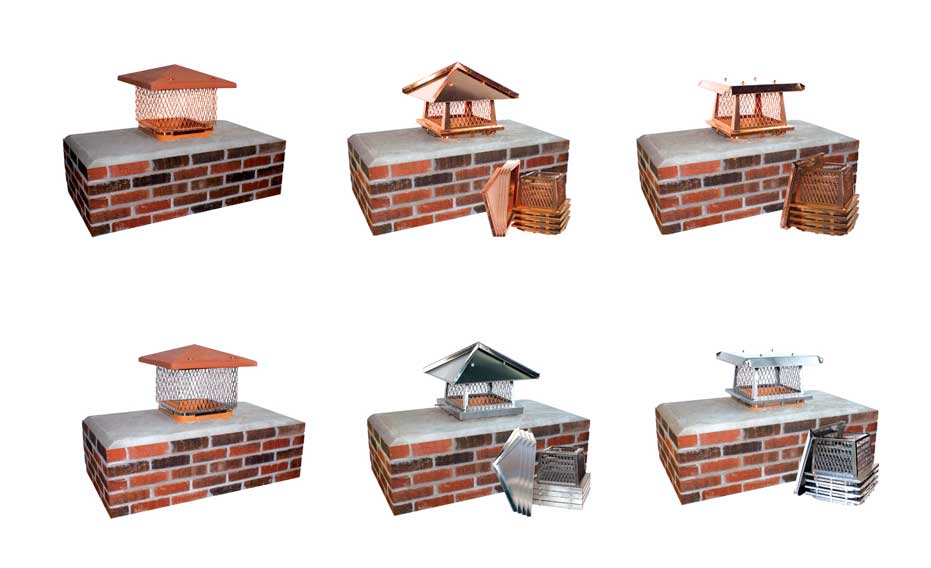
Selecting the right type of chimney cap depends on your chimney’s design, climate, and intended use. There are several common types available:
First, there are stainless steel chimney caps, which are known for their durability and resistance to rust. Stainless steel chimney caps are suitable for areas with harsh weather conditions and require minimal maintenance.
Second, copper chimney caps are a popular choice for homeowners who value aesthetics. Copper chimney caps develop a natural patina over time, providing a distinctive look while maintaining excellent protection.
Third, galvanized steel chimney caps are an economical option, offering moderate protection against corrosion and outdoor elements. However, they may not last as long as stainless steel or copper caps.
Finally, chimney caps with spark arresters include a mesh screen that prevents sparks from escaping the chimney. These are highly recommended for homes in fire-prone regions or for fireplaces that burn wood regularly.
The following table compares the common types of chimney caps:
| Material | Durability | Maintenance | Cost | Best Use |
|---|---|---|---|---|
| Stainless Steel | High | Low | Medium | Harsh climates, long-term protection |
| Copper | High | Low | High | Aesthetic appeal, durable protection |
| Galvanized Steel | Medium | Medium | Low | Budget-friendly, moderate protection |
| Spark Arrester | High | Low | Medium | Fire-prone areas, wood-burning fireplaces |
How a Chimney Cap Works
Understanding how a chimney cap works can help homeowners appreciate its importance. Essentially, a chimney cap sits on top of the chimney flue and acts as a barrier against external elements. The design typically includes a solid top plate to block rain and a mesh screen to contain debris and prevent animal entry.
When smoke rises through the chimney, it passes through the cap and exits safely into the atmosphere. At the same time, the cap prevents rainwater from flowing down into the chimney, reducing the risk of mold and structural damage. A properly sized chimney cap ensures that airflow remains efficient, minimizing downdrafts and improving overall fireplace performance.
Chimney Cap Installation Process
![How to Install a Chimney Cap [7 Different Styles] - HY-C](https://www.hy-c.com/hubfs/Imported_Blog_Media/how-to-install-a-chimney-cap.jpg)
Installing a chimney cap requires careful measurement and attention to detail. Homeowners can hire a professional chimney service, or, for those with DIY skills, it’s possible to install a chimney cap independently.
The installation process begins by measuring the dimensions of the chimney flue accurately. A chimney cap must fit snugly over the chimney to prevent it from being dislodged by strong winds. After measuring, the cap is placed on the flue and secured using screws or clamps, depending on the design. Some caps are adjustable, allowing them to fit multiple flue sizes.
Safety precautions are essential during installation, as working on a roof can be hazardous. Using a secure ladder, proper footwear, and protective gear is recommended. Once installed, the chimney cap provides immediate protection, reducing maintenance needs and extending the life of the chimney.
Maintenance of a Chimney Cap
While a chimney cap is designed for durability, regular maintenance ensures its long-term effectiveness. Checking the chimney cap annually for rust, corrosion, or damage is essential. Cleaning the mesh screen prevents soot and creosote buildup, which can obstruct airflow.
In regions with heavy snowfall, removing accumulated snow or ice from the cap may be necessary to maintain proper ventilation. Homeowners should also inspect the fasteners and brackets to ensure the cap remains securely attached to the chimney.
A well-maintained chimney cap significantly reduces the likelihood of expensive chimney repairs or fire hazards. The table below outlines common maintenance tasks for a chimney cap:
| Maintenance Task | Frequency | Purpose |
|---|---|---|
| Visual Inspection | Annually | Check for rust, corrosion, or damage |
| Mesh Cleaning | Semi-annually | Remove soot, creosote, and debris |
| Fastener Check | Annually | Ensure cap remains securely attached |
| Snow/Ice Removal | As needed | Prevent obstruction of airflow |
Choosing the Right Chimney Cap for Your Home
Choosing the right chimney cap requires considering multiple factors. The size of the chimney flue, the type of fuel used, and local climate conditions all influence the best choice. For wood-burning fireplaces, a cap with a spark arrester is highly recommended to prevent fires. Homes in rainy or snowy regions benefit from stainless steel or copper caps for long-term protection.
Budget also plays a role in selecting a chimney cap. While stainless steel and copper caps may cost more initially, their durability and minimal maintenance often make them more cost-effective over time. Galvanized steel caps provide an affordable solution but may require more frequent replacement.
Homeowners should also consider aesthetics, especially if the chimney is visible from the street. Copper caps, with their natural patina, add a classic touch to the home’s exterior. In contrast, stainless steel or black-painted galvanized caps offer a modern and unobtrusive appearance.
Common Problems Without a Chimney Cap
Without a chimney cap, homeowners may face a variety of issues. Water infiltration can damage the chimney liner and masonry, leading to cracks, mold growth, and decreased structural integrity. Animals may enter the chimney, causing blockages and foul odors.
Fire hazards increase without a spark arresting chimney cap, as embers may escape and ignite nearby flammable materials. Downdrafts may also develop, pushing smoke back into the home and reducing fireplace efficiency. These problems highlight why installing a chimney cap is considered a vital part of home maintenance.
Cost Considerations for Chimney Caps

The cost of a chimney cap depends on material, size, and additional features. Galvanized steel caps are the most budget-friendly, typically ranging from $50 to $150. Stainless steel and copper caps are more expensive, costing between $150 and $500, depending on customization and size.
Installation costs may vary if hiring a professional. While a DIY installation can save money, professional installation ensures proper fit, security, and adherence to safety standards. Considering the protection and longevity a chimney cap provides, the investment is worthwhile for homeowners seeking to prevent damage and improve safety.
Environmental Benefits of Chimney Caps
Chimney caps also offer environmental benefits by improving combustion efficiency in wood-burning fireplaces. By reducing downdrafts, a chimney cap ensures that smoke exits efficiently, minimizing the release of harmful pollutants indoors. Additionally, preventing debris and water infiltration reduces the need for frequent repairs, saving resources and reducing waste.
For homeowners who use fireplaces as a heating source, a chimney cap contributes to better energy efficiency by maintaining proper airflow and preventing heat loss through an unprotected flue.
Conclusion: The Value of a Chimney Cap
In conclusion, a chimney cap is a critical component that protects your home, prevents animal intrusion, reduces fire risks, and improves fireplace efficiency. Understanding the benefits, types, and maintenance requirements of a chimney cap allows homeowners to make informed decisions and invest in long-term protection.
From stainless steel to copper, each type of chimney cap offers unique advantages, and choosing the right one ensures maximum performance and durability. Regular inspections and maintenance further enhance the value of a chimney cap, safeguarding your chimney system for years to come.
Whether for fire prevention, water protection, or animal deterrence, the chimney cap is a small addition with substantial impact, making it an essential part of responsible homeownership.
Read More:- How to Paint Kitchen Cabinets: A Complete Step-by-Step Guide for a Professional Finish