
Introduction
A chimney cap is an often-overlooked yet vital component of any chimney system. Many homeowners focus on the fireplace or stove but neglect the protective element at the very top—the chimney cap. This simple accessory plays a major role in preventing damage, improving safety, and maintaining the efficiency of your chimney. In this comprehensive guide, we’ll explore what a chimney cap is, its benefits, types, materials, installation process, maintenance, and how to choose the right one for your home.
What Is a Chimney Cap?
A chimney cap is a protective cover placed at the top of a chimney. Its main function is to prevent water, debris, and animals from entering the chimney flue while allowing smoke and gases to escape efficiently. Chimney caps typically include a flat or slightly sloped top cover and mesh sides that act as a barrier.
Without a chimney cap, your chimney is vulnerable to several problems, including water damage, animal intrusion, debris buildup, and downdrafts. The cap essentially serves as a shield, protecting both the chimney and your home.
Benefits of Installing a Chimney Cap
Installing a chimney cap is not just about protecting your chimney—it offers several important benefits:
Prevents Water Damage
Rain and snow can easily enter an unprotected chimney, leading to moisture buildup, cracked mortar, and damaged flues. A chimney cap deflects water away from the flue, keeping the interior dry and preserving the structural integrity of your chimney.
Keeps Animals Out
Chimneys are attractive nesting spots for birds, squirrels, and other small animals. Without a chimney cap, these animals can enter, build nests, and block the flue. This can cause dangerous smoke backflow into the home and even create fire hazards.
Reduces Downdrafts
Wind can sometimes push smoke and fumes back into your living space, a phenomenon known as a downdraft. A chimney cap helps minimize this problem by directing airflow upward and out, ensuring your fireplace or stove functions properly.
Prevents Debris Accumulation
Leaves, twigs, and other debris can fall into an open chimney, leading to blockages and potential chimney fires. A chimney cap keeps the flue clear and ensures proper ventilation.
Enhances Safety
Some chimney caps include spark arrestor mesh, which prevents sparks from escaping and landing on your roof or nearby combustible surfaces. This reduces the risk of fires in the surrounding area.
Improves Energy Efficiency
A chimney cap helps prevent heat loss by reducing drafts and maintaining proper airflow. This small adjustment can make your fireplace more efficient and reduce heating costs during the winter.

Types of Chimney Caps
There are several types of chimney caps, each designed for specific needs:
Standard Chimney Caps
These are the most common type and provide basic protection against rain, debris, and animals. They are typically made from galvanized steel or stainless steel.
Spark Arrestor Caps
Spark arrestor caps feature a mesh screen that prevents embers and sparks from escaping the chimney. They are especially useful for wood-burning fireplaces and stoves.
Top-Mount Chimney Caps
Installed directly over a single flue, top-mount caps are simple and effective. They protect the chimney from water, debris, and animals without the need for complex installation.
Multi-Flue Chimney Caps
Multi-flue caps cover several flues in one unit. They are ideal for homes with chimneys that have multiple flues and often require a custom fit.
Decorative Chimney Caps
Decorative caps are available in copper, wrought iron, or stainless steel with ornate designs. They offer both functional protection and visual appeal, enhancing the look of your chimney.
Materials Used for Chimney Caps
Choosing the right material for your chimney cap is important for durability and longevity. Common materials include:
- Stainless Steel: Extremely durable, resistant to rust, and suitable for almost any climate.
- Copper: Aesthetically pleasing, long-lasting, and naturally resistant to corrosion.
- Galvanized Steel: Budget-friendly and durable but may rust over time.
- Aluminum: Lightweight and corrosion-resistant, though less durable than stainless steel or copper.
Your choice should depend on your budget, climate, and preference for durability versus aesthetics.
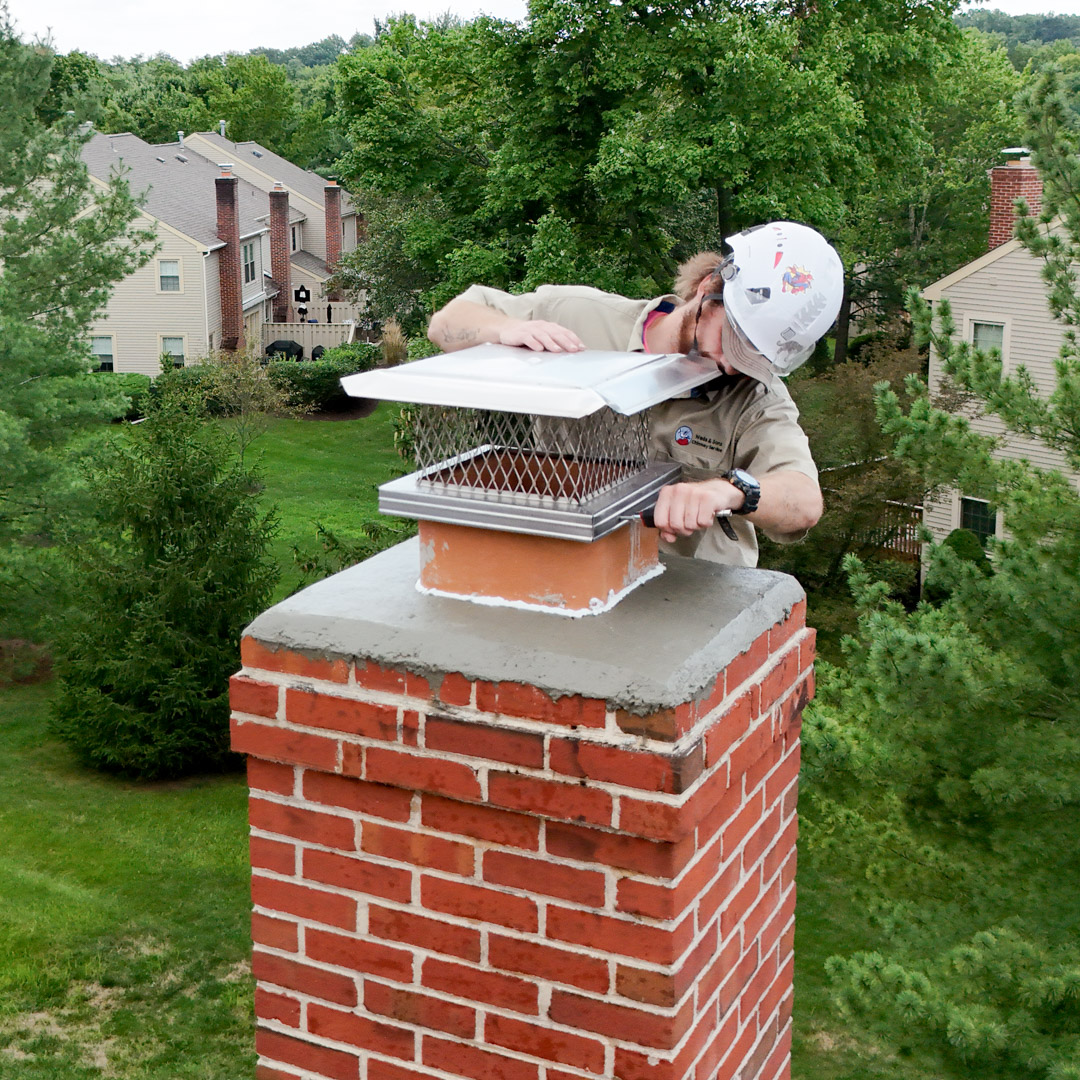
Chimney Cap Installation
Installing a chimney cap is straightforward, but precision is key to ensure effectiveness and safety. Here’s a step-by-step guide:
Measure the Chimney
Accurate measurements are essential. Measure the dimensions of your flue or flues. For multi-flue chimneys, ensure the cap covers all openings.
Select the Right Cap
Choose a chimney cap that matches your measurements and material preference. Consider whether you need a spark arrestor or decorative style.
Prepare the Chimney
Clean the top of the chimney crown and inspect it for cracks or damage. Make necessary repairs before installing the cap.
Attach the Cap
Most caps are secured using screws, brackets, or straps. Ensure it is stable, level, and can withstand wind and weather.
Check Airflow
After installation, ensure that smoke and gases can exit freely and that the mesh effectively blocks debris and animals.
Professional installation is recommended for complex chimneys or high rooftops, ensuring safety and proper fit.
Chimney Cap Maintenance
Maintaining your chimney cap ensures long-term protection and prevents potential hazards:
- Annual Inspections: Check for rust, loose attachments, or structural damage.
- Cleaning: Remove leaves, soot, and twigs from the mesh screen using a soft brush or hose.
- Repair or Replace: Replace a damaged or rusted chimney cap promptly.
- Winter Care: Clear snow and ice buildup to prevent obstruction and damage.
Regular maintenance ensures that your chimney cap continues to protect your home effectively.
Signs Your Chimney Needs a Cap
Even if your chimney doesn’t have issues, it may still benefit from a chimney cap. Signs that you need one include:
- Water leaks inside the chimney or home.
- Animals entering the chimney or nests being found inside.
- Rust or corrosion on the existing chimney cap.
- Sparks escaping from the chimney.
- Excess debris accumulation inside the flue.
Installing a chimney cap at the first sign of these problems can prevent costly repairs and improve safety.
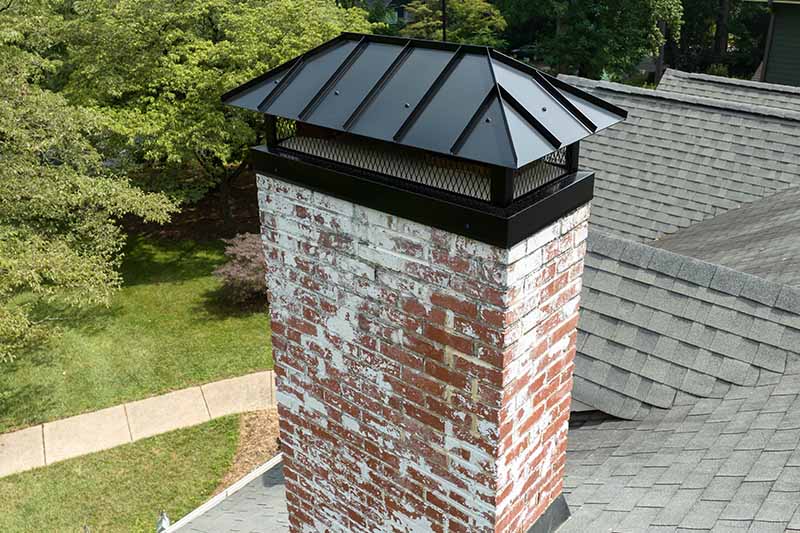
Choosing the Right Chimney Cap
Selecting the right chimney cap depends on several factors:
- Material: Stainless steel and copper last longer, while aluminum and galvanized steel are more budget-friendly.
- Fit and Size: Accurate measurement ensures a secure installation.
- Climate: Stainless steel or copper is ideal for wet climates due to corrosion resistance.
- Style: Choose a cap that complements your home while providing protection.
- Fireplace or Stove Type: Spark arrestor caps are critical for wood-burning fireplaces.
By evaluating these factors, homeowners can select a chimney cap that offers the best combination of protection, durability, and aesthetic appeal.
Costs of Chimney Caps
The cost of a chimney cap varies based on material, type, and installation complexity:
- Standard stainless steel caps: $50–$150
- Copper caps: $200–$500
- Multi-flue caps: $150–$400
- Professional installation: $75–$300
Although prices vary, investing in a quality chimney cap can save money in the long run by preventing structural damage, fire hazards, and animal intrusion.
Frequently Asked Questions
Q: Can I install a chimney cap myself?
A: Yes, but it requires comfort with heights and basic tools. Professional installation ensures safety and proper fit.
Q: How long does a chimney cap last?
A: Depending on the material, a chimney cap can last 10–20 years. Stainless steel and copper generally last the longest.
Q: Do all chimneys need a cap?
A: Yes. Every chimney benefits from a cap to prevent water, debris, and animal problems.
Q: How do I clean a chimney cap?
A: Use a soft brush or hose to remove debris. Mild detergent can help remove stubborn soot or dirt.
Q: Can a chimney cap reduce energy costs?
A: Yes. By preventing drafts and heat loss, a chimney cap helps maintain better temperature control in your home.
Conclusion
A chimney cap is a small but essential addition to any chimney system. It protects your home from water damage, animals, debris, and fire hazards while improving efficiency and safety. By understanding the types, materials, installation, and maintenance of chimney caps, homeowners can make informed decisions that ensure long-lasting protection for their chimney.
Whether you choose a basic stainless steel cap, a spark arrestor, or a decorative copper model, a chimney cap is an investment in safety, efficiency, and peace of mind.
Read More:- Chimney Cap Replacement Guide: Protect Your Home & Fireplace