
Introduction
Owning a home comes with responsibilities that are often unseen but crucial for long-term maintenance. One of the most overlooked areas is the chimney. Many homeowners think of cleaning the fireplace or inspecting the flue, but the chimney cap—a small but vital component—is frequently neglected. The chimney cap serves as the first line of defense against weather, debris, and animals. Over time, it can deteriorate, making chimney cap replacement a necessary task to prevent structural damage, health hazards, and costly repairs.
This guide explores everything about chimney cap replacement: why it’s important, when it’s needed, how to choose a replacement, the installation process, costs, maintenance, and practical tips for homeowners. Understanding these aspects will help ensure your chimney continues to function safely and efficiently.
What Is a Chimney Cap and Why It Matters
A chimney cap is a protective cover installed at the top of a chimney flue. Its primary purpose is to shield the interior of the chimney from elements like rain, snow, and wind while also keeping out animals and debris. Beyond this, it plays a critical role in reducing downdrafts that can push smoke back into the home.
Without a chimney cap, a chimney is vulnerable to water intrusion, which can lead to rust, cracked masonry, and weakened mortar. Additionally, a cap prevents birds, squirrels, and other animals from nesting in the chimney, which could block airflow or create fire hazards. Chimney caps also stop leaves, branches, and other debris from accumulating, reducing the risk of flue obstructions. By understanding the function of a chimney cap, it becomes clear why timely chimney cap replacement is essential for any homeowner.
Signs You Need Chimney Cap Replacement
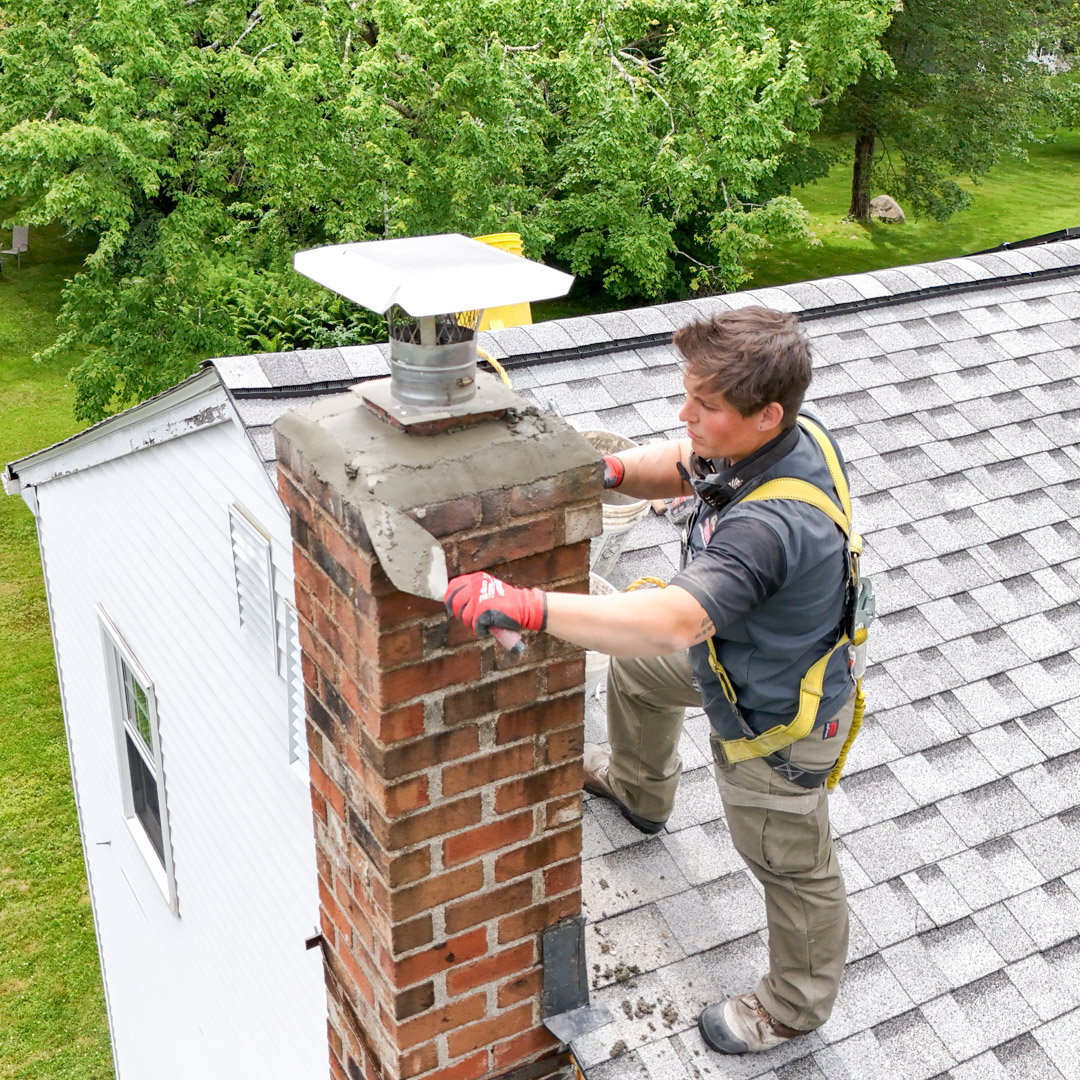
Knowing when to replace your chimney cap is critical. Ignoring damage can lead to expensive repairs or even safety hazards. One of the first signs is visible rust or corrosion on the metal cap. Even stainless steel caps, though durable, can show signs of wear after years of exposure to rain and snow.
Cracks or physical damage are another clear indicator. Heavy storms, falling branches, or even extreme temperature changes can cause a cap to crack or warp. Such damage prevents the cap from keeping out water, debris, and animals.
Homeowners may also notice water stains on the walls near the fireplace or inside the chimney. Peeling paint, warped wood, or mold growth in the vicinity of the fireplace often points to a failing chimney cap that allows water to seep inside.
Animal activity is another red flag. If birds, squirrels, or raccoons are entering the chimney, your existing cap is no longer effective. Similarly, excessive debris clogging the chimney can indicate the need for a replacement. Timely chimney cap replacement addresses these issues before they escalate into structural or fire hazards.
Choosing the Right Chimney Cap
Selecting the proper chimney cap is crucial for a long-lasting solution. Various materials and designs are available, each with its own advantages. Stainless steel chimney caps are widely recommended due to their durability and resistance to rust. They are ideal for most homes and typically last decades with minimal maintenance.
Copper chimney caps, while more expensive, offer excellent longevity and an aesthetic appeal. Over time, copper develops a natural patina, enhancing the appearance of your home. Galvanized steel caps are a more budget-friendly option, though they may require replacement sooner due to rusting.
For homes with unique chimney shapes or sizes, custom chimney caps are available. These ensure a perfect fit and optimal protection. Choosing the right cap depends on factors such as the size of your flue, local weather conditions, and personal preferences for aesthetics and longevity. Regardless of the type, proper installation is key to effectiveness.
The Chimney Cap Replacement Process
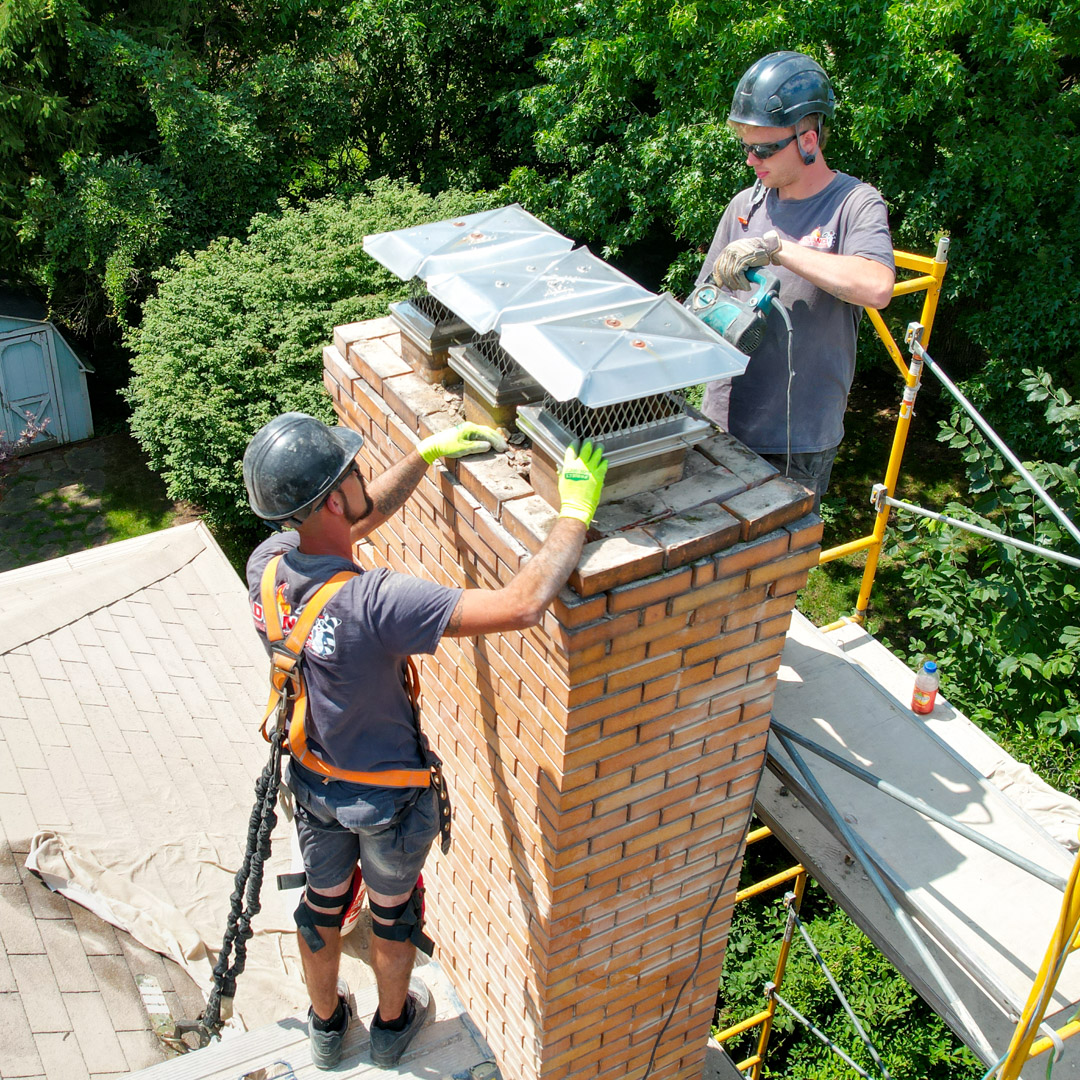
Replacing a chimney cap involves several steps, each important for ensuring the new cap functions as intended. The process usually begins with a thorough inspection of the existing cap and chimney structure. This step identifies rust, cracks, loose components, or flue damage that may need attention before installing a new cap.
Next, accurate measurements of the flue are taken to ensure a proper fit. A chimney cap that is too small or too large will fail to protect the chimney effectively. Once measurements are confirmed, the old cap is carefully removed. For metal caps, this may involve loosening screws or clamps. Custom caps may require additional effort for safe removal.
Installation of the new cap follows. The cap must be securely fastened to prevent leaks while slightly overhanging the chimney to protect against rainwater. The final step involves a thorough inspection to ensure the cap is level, stable, and fully operational. While some homeowners attempt DIY installation, professional services are recommended, particularly for taller chimneys or metal caps, to guarantee both safety and effectiveness.
Benefits of Chimney Cap Replacement
Replacing a chimney cap brings numerous benefits beyond mere protection. The most obvious advantage is water protection. A new cap keeps rain and snow from entering the chimney, preventing damage to masonry, mortar, and the interior of the fireplace. This is particularly important in regions with heavy rainfall or snow.
Another major benefit is protection against animals. Birds, squirrels, and other small creatures are naturally attracted to chimneys as nesting sites. A properly fitted chimney cap blocks these intruders, reducing the risk of blockages, fire hazards, and unpleasant odors from animal activity.
Chimney cap replacement also improves energy efficiency. By reducing downdrafts, a new cap helps maintain indoor temperature, preventing heat from escaping and cold air from entering. Additionally, a well-maintained chimney with a properly installed cap enhances the overall appearance of your home, which can increase property value.
Cost of Chimney Cap Replacement
Understanding the cost of chimney cap replacement is important for homeowners planning maintenance or repairs. The price varies depending on the material, chimney size, and whether professional installation is used.
Galvanized steel caps are generally the least expensive, often ranging from $50 to $150. Stainless steel caps cost more, typically between $100 and $300. Copper caps, due to their durability and aesthetic appeal, may cost between $200 and $600. Custom caps for unique chimneys can exceed $1,000.
Professional installation also adds to the cost, with typical labor charges ranging from $100 to $400 depending on chimney height and complexity. While DIY installation can save money upfront, professional services ensure proper fit, safety, and longevity, often making them the more cost-effective choice in the long run.
DIY vs. Professional Installation
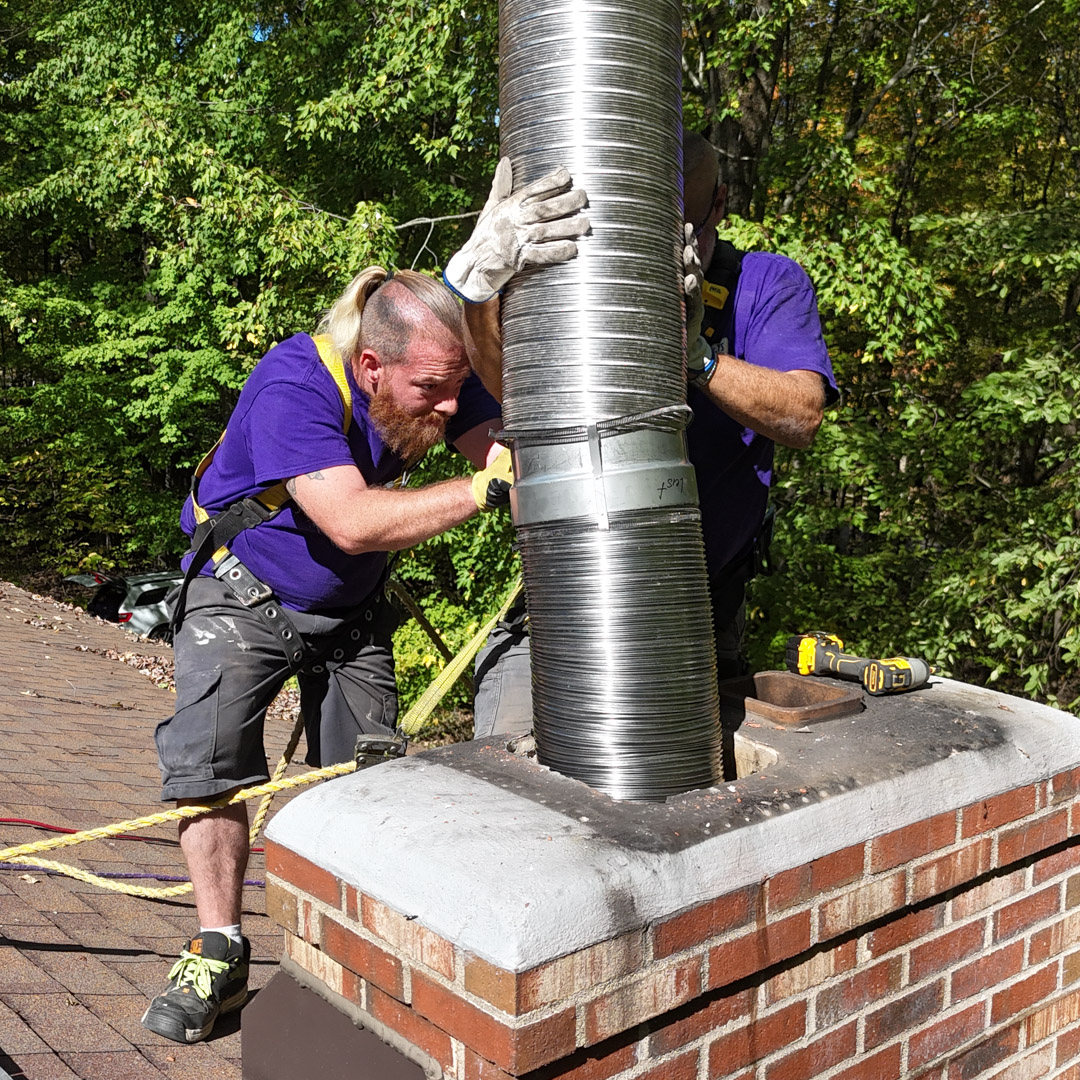
Some homeowners consider installing a chimney cap themselves to save money. While DIY installation is possible, it comes with risks, particularly if the chimney is tall or difficult to access. Safety is the most significant concern; climbing onto a roof and handling metal components can result in falls or injuries.
Professional installation, although more expensive, ensures the cap is properly fitted and secure. Experts can also address any additional issues, such as minor flue damage or masonry concerns, during the installation process. In most cases, investing in professional installation provides peace of mind and extends the lifespan of the new chimney cap.
Maintaining Your Chimney Cap
Even after replacement, a chimney cap requires routine maintenance to remain effective. Annual inspections can catch early signs of rust, loose fittings, or damage. Cleaning the cap of leaves, twigs, and other debris prevents blockages and ensures proper airflow.
Metal caps, especially those exposed to harsh weather, may benefit from protective coatings to prolong lifespan. Annual chimney sweeping also complements the chimney cap by removing creosote buildup, reducing the risk of fire and maintaining chimney efficiency. Regular maintenance ensures that the investment in a new chimney cap continues to provide protection for years to come.
Common Mistakes to Avoid
Homeowners should be aware of common mistakes related to chimney cap replacement. Selecting the wrong size cap is a frequent error; accurate measurements are essential. Choosing low-quality materials may save money initially but can lead to rust and early replacement.
Delaying replacement after noticing damage can cause minor issues to escalate into major problems. Finally, attempting a complex installation without professional help can compromise safety and effectiveness. By avoiding these mistakes, homeowners ensure that their chimney cap continues to protect their home effectively.

Real-Life Examples
Consider a homeowner in a region with heavy rainfall. The old galvanized steel cap had rusted, allowing water to seep into the flue. Over time, this led to cracked mortar and water stains inside the fireplace. By replacing the chimney cap with a stainless steel model, the homeowner prevented further structural damage and protected the home from costly repairs.
In another case, a family noticed birds nesting in their chimney. The existing cap was damaged and no longer covered the flue adequately. Chimney cap replacement not only prevented animals from entering but also improved airflow and reduced downdrafts, making the fireplace safer and more efficient.
These examples illustrate why timely chimney cap replacement is not just a maintenance task—it is an investment in the safety and functionality of your home.
Conclusion
Chimney cap replacement is a critical, often overlooked component of home maintenance. A damaged or missing cap exposes your chimney to water, debris, and animals, which can lead to structural damage, fire hazards, and costly repairs. Choosing the right cap material, having it properly installed, and maintaining it regularly ensures your chimney continues to function safely and efficiently.
Whether stainless steel, copper, or custom-designed, a new chimney cap protects your home while improving energy efficiency and enhancing curb appeal. By prioritizing chimney cap replacement, homeowners can prevent major problems, preserve their investment, and enjoy peace of mind knowing their chimney and home are well protected.
For any homeowner looking to safeguard their property, chimney cap replacement is not optional—it is essential. Taking action today ensures that your chimney remains functional, safe, and durable for decades to come.
Read More:- Chimney Cap Installation: The Ultimate Guide for Homeowners